Stories
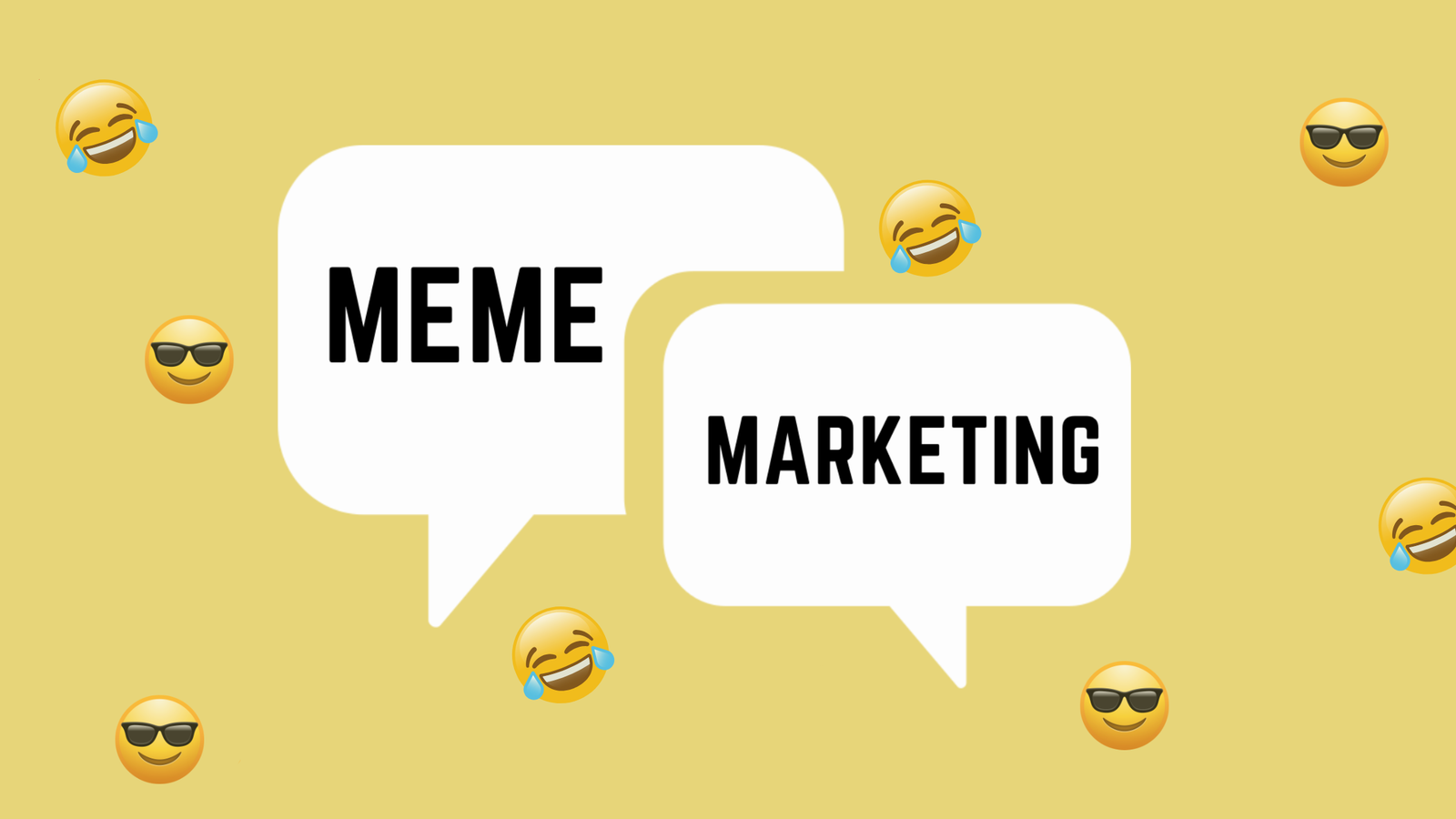
The Rise of Meme Marketing in Sri Lanka: How Brands Are Turning Humour into Engagement and Sales
At The Creative Congress, we have always believed that attention is not bought; it is earned.
In today’s digital landscape, one of the fastest ways to earn that attention is through humour. As social media trends in Sri Lanka in 2026 continue to evolve, meme marketing in Sri Lanka has become one of the most effective forms of digital marketing for brands looking to connect with younger, digitally native audiences who no longer respond to traditional advertising in the same way.
Memes are no longer just internet jokes. They have become a form of cultural currency. When used correctly, they can transform a brand from being just another business in the feed into something people genuinely want to interact with, share, and talk about.
Beyond traditional brand communication
For many Sri Lankan brands, social media content still follows a structured and formal approach. Polished visuals, corporate messaging, and product-first communication continue to dominate most feeds.
While this approach is safe, it rarely creates the kind of meaningful social media engagement Sri Lankan brands are aiming for. Today’s audiences expect content that entertains just as much as it informs.
Meme marketing in Sri Lanka changes this entirely. Instead of speaking at audiences, brands begin speaking with them. Humour becomes the bridge between brand identity and audience attention. A well-timed meme can generate more reach and engagement than a large paid campaign because it feels authentic and relatable. This is why viral content in Sri Lanka continues to outperform many traditional advertising formats across social platforms.
The brands that succeed with this approach are not simply posting jokes for the sake of going viral. They are building a content strategy businesses can rely on, combining Gen Z marketing in Sri Lanka, cultural awareness, timing, and audience behaviour to consistently produce relevant content.
At The Creative Congress, we see meme marketing not as casual posting but as intentional cultural positioning that strengthens a brand’s personality while supporting broader objectives of digital marketing in Sri Lanka.
Why humour works in Sri Lanka
One of the biggest strengths of meme marketing is how naturally humour fits into everyday Sri Lankan life.
Audiences across Instagram, Facebook, and TikTok regularly engage with content that reflects familiar experiences, whether it is office life, university culture, traffic, cricket, or everyday conversations. This has made viral content in Sri Lanka one of the strongest drivers of social media engagement in Sri Lanka, particularly among younger audiences.
This is where creative marketing Sri Lankan brands invest in makes a real difference. Success is not about copying global trends. It is about understanding local culture and creating content that feels authentic to the people seeing it. Combining brand humour in Sri Lanka with local insights allows businesses to build stronger emotional connections with their audiences.
When a brand reflects something its audience already thinks or experiences, the content stops feeling like advertising and starts feeling like entertainment.
The risk and responsibility of meme marketing
While meme marketing offers enormous potential, it also comes with responsibility.
Not every joke translates well across different audiences. Not every trend fits a brand’s identity. And not every moment is appropriate for humour.
The most successful campaigns are guided by strategy rather than impulse. A strong content strategy ensures that every meme supports the brand’s voice instead of distracting from it. The goal is not to become a meme page but to use brand humour Sri Lankan audiences genuinely appreciate in a way that strengthens credibility and builds lasting connections through effective digital marketing in Sri Lanka.
Timing, tone, and context remain essential. A meme shared at the wrong moment or in the wrong voice can feel forced, reducing authenticity rather than increasing it.
Speed, trends, and cultural awareness
Meme culture moves quickly. What is popular today can disappear within days.
This is why successful brands stay aware of emerging trends while remaining selective about which conversations they join. Speed is important, but relevance is even more valuable. Understanding social media trends in Sri Lanka in 2026 allows brands to create timely content without sacrificing authenticity.
The strongest examples of creative marketing Sri Lanka has seen are often the simplest. A relatable observation, paired with the right timing and brand voice, can outperform highly produced content because it feels genuine rather than promotional. These campaigns often generate higher social media engagement in Sri Lanka and become viral content in Sri Lanka because they resonate naturally with audiences.
What it comes down to
Meme marketing is not about chasing trends or forcing humour into a brand’s voice. It is about understanding culture deeply enough to participate in it naturally.
For brands investing in meme marketing in Sri Lanka, the opportunity extends far beyond entertainment. When supported by a clear strategy, authentic Gen Z marketing, and thoughtful brand humour in Sri Lanka, memes become a powerful way to build relevance, strengthen engagement, and create lasting brand recall.
At The Creative Congress, we believe the most successful campaigns are the ones that balance creativity with strategy. As social media trends in Sri Lanka in 2026 continue to reshape consumer behaviour, brands that understand their audience, embrace authentic humour, and invest in meaningful Sri Lankan digital marketing strategies will be the ones that consistently create viral content in Sri Lanka and stand out in an increasingly competitive digital landscape.

Recent Posts

How creative production helps brands tell better stories

How public relations agencies help brands build trust and credibility