
Stories
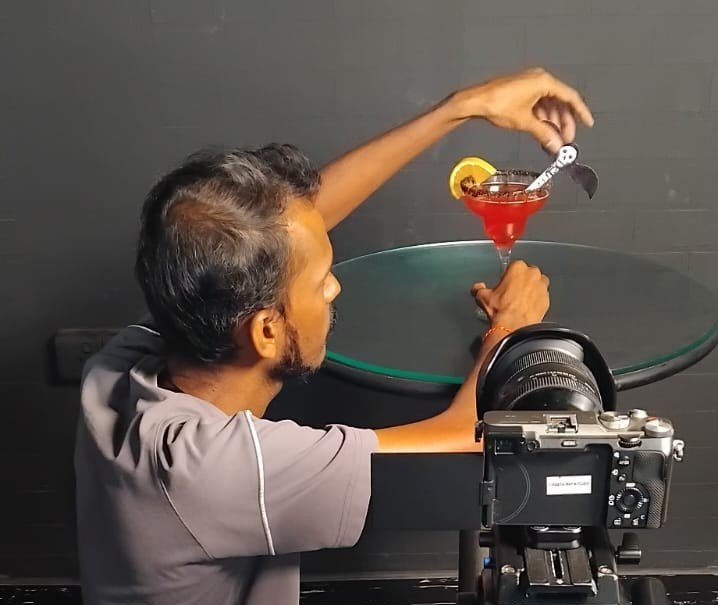
How to prepare for a product shoot so you get more out of the day
A product shoot usually happens in a single day, but the images from it can end up on a website, in ads, on social media, and in print for months afterwards. That’s a lot of content relying on one day of production, which is why the preparation matters so much.
For studio services in Sri Lanka, this is a common conversation and the difference between a smooth shoot and a stressful one is decided well before anyone picks up a camera.
Start with where the images will be used
Before anything else, it helps to know where the photos are going. An image for a website banner needs a different shape and space from one for an Instagram post or a printed catalogue.
If this is decided early, the photographer can frame each shot with the right crop in mind. Without it, businesses often end up with great images that don’t quite fit the places they need them.
Get the products ready
This sounds obvious, but it’s the part most often rushed. Cameras show everything. Fingerprints, dust, creases, and small scratches that nobody notices in person become very visible in a close up.
Bring clean, undamaged products, and a few spares if possible. If something is slightly off, it’s much easier to swap it on the day than to fix it later in editing. Clothing should be steamed or ironed, and packaging should be checked for dents and loose labels.
Build a simple shot list
A shot list doesn’t need to be complicated. It’s just a list of the images you want from the day, ideally with a few reference photos to show the style you like.
A good one usually covers:
- The main product on a clean background
- Close ups of key details or textures
- The product in use or in a real setting
- A few different angles for each item
Having this ready means the team spends the day creating images instead of figuring out what’s needed.
Think about styling and props
Props can make a product feel real, but too many can take attention away from it. The goal is to support the product, not compete with it.
It helps to choose a small number of props, colours, and backgrounds that match the brand. If the product is premium, a clean and simple setup usually works better than a busy one. If it’s playful, a bit of colour and texture can bring it to life. Either way, the styling should feel like it belongs to the brand and not to a random template.
Know who needs to be there
A shoot goes more smoothly when decisions can be made quickly. If there are too many people giving opinions or the person who approves the images isn’t around, the day slows down and things are missed.
It’s usually best to have one person who knows the brand well and can say yes or no on the spot. That keeps the schedule moving and avoids long email chains after the shoot about changes that could have been sorted in the room.
What to expect on the day
A good shoot is often calmer than people expect. Most of the time goes into lighting, setting up each shot, and testing small adjustments. It can look slow from the outside, but that patience is what makes the final images look sharp and clean.
This is where creative production in Colombo comes down to craft. The right lighting, the right angle, and a team that knows how to handle small problems quickly make the difference between a decent shoot and a strong one.
Where strategy and creativity meet
A good product image does more than show what something looks like. It tells people what kind of brand is behind it. That’s why the creative thinking and the planning need to happen together.
This is the thinking behind The Creative Congress, where creative work is shaped around the brand’s goals so every image has a purpose. Curve Studio brings that thinking into the shoot itself, helping plan the setup, handle the production, and make sure the final images match the idea behind them.
Having a team that understands both sides makes preparation much easier, because the questions get asked before the day, not during it.
Plan for what happens after
The shoot isn’t the end of the process. Editing, selecting the best images, and preparing them for each platform all take time, and it helps to know the timeline in advance.
It’s also worth thinking about how the images will be organised and stored. A well named folder of final files, in the right sizes, saves a lot of time later. Creative production in Colombo works best when the work doesn’t stop at the last click of the camera, but carries through to images that are ready to use.
A quick checklist
Before your next product shoot, ask yourself:
- Do we know where each image will be used?
- Are the products clean, undamaged, and ready to be photographed?
- Do we have a shot list and a few reference images?
- Is the styling simple and true to the brand?
- Is there one person who can approve decisions on the day?
If a few of these are unclear, it may be worth going back to the planning stage.
The takeaway
A great product shoot isn’t about having the most expensive setup. It’s about showing up prepared, knowing what you need, and giving the team room to do their best work. A little planning beforehand saves a lot of time, money, and stress on the day.
That’s the approach The Creative Congress takes, treating every shoot as part of a bigger brand story. Curve Studio can help bring that to life, from the first planning conversation to the final edited images. And with the right studio services in Sri Lanka behind you, your next shoot won’t just go smoothly, it will give you images worth using.

Recent Posts
How to write social media captions that people read
The run sheet: The one document that keeps your event calm